
Concierge Support
Contact Us
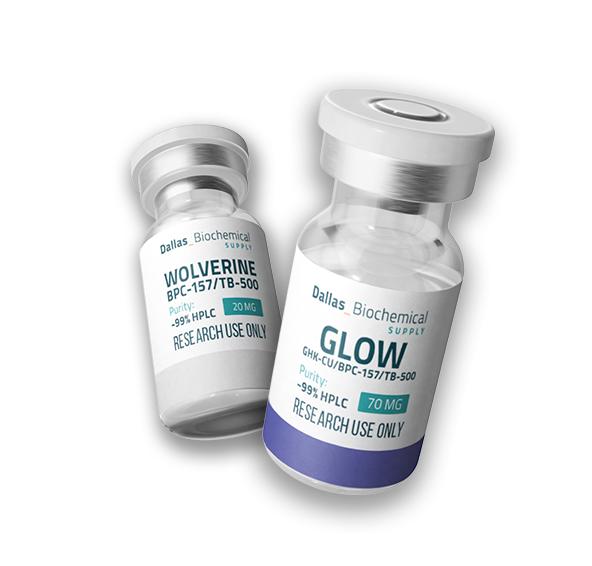
Dallas Biochemical Supply is dedicated to supporting your research initiatives. Whether you're inquiring about peptide availability, lyophilized compound specifications, COA documentation, or shipping timelines for orders like GHK-Cu, BPC-157, or GLP-1 analogs — our support team is here to help. We respond to all research inquiries promptly.
For compliance reasons, we cannot provide dosing guidance or instructions for human use.
Dallas Biochemical Supply
Quick reference
Find answers regarding chemical handling, storage requirements, and procurement policies for research institutions.
Our catalog consists of synthetic amino acid chains characterized by specific molecular weights and sequences. These compounds are synthesized for use in research applications, such as chromatography calibration and mass spectrometry analysis, to investigate protein structure and function.
No, we do not offer international shipping for our products.
We accept Visa, Mastercard, American Express and Cash app.
No, all sales are final with the exception of damaged, incorrect or missing items. If one of these applies, please email us at support@dallasbiochemical.com with your order number and a clear description of the issue.
We do not currently have a rewards program, but we do send out special promo codes by email. Sign up here at the bottom of the about page here to receive the promo emails.
You can reach our friendly customer support team via email at support@dallasbiochemical.com or through our Contact Us page.
Yes, each batch undergoes rigorous independent testing to meet the highest industry standards. Our state-of-the-art analytical methods, including HPLC (High-Performance Liquid Chromatography), Mass Spectrometry, and Certificate of Analysis (COA) evaluations, guarantee 99% or higher purity before any lot is released for distribution.